How to Protect Your Elderly Parent from Phone Scams
Why scam education alone fails, what call blocking misses, and how AI monitoring can actually protect your parent.
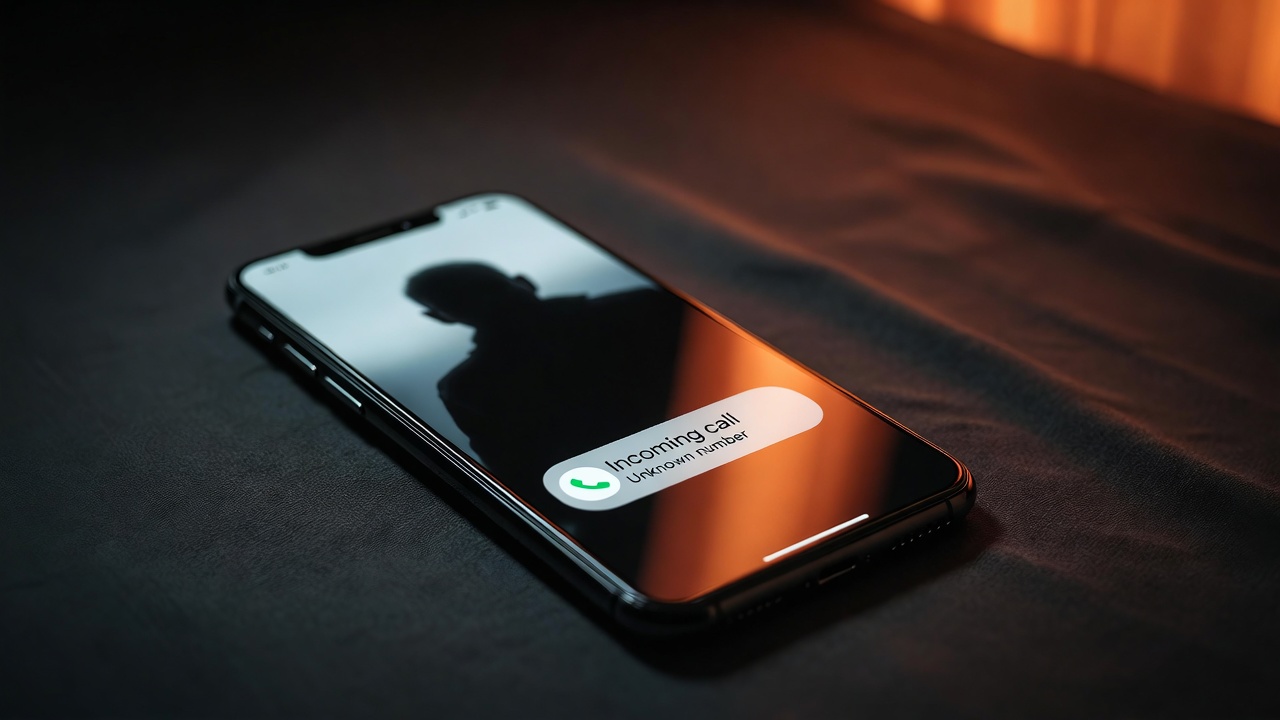
My dad lives alone in Korea. He’s sharp — retired engineer, reads the news every day, does his own taxes. And none of that would stop a good scammer.
I know this because Americans over 60 lost $4.9 billion to fraud in 2024, according to the FBI. Phone scams — voice calls, text messages, voicemails — remain the #1 attack vector. Most victims aren’t confused or careless. They’re normal parents who picked up the phone at the wrong moment.
If you have an elderly parent living alone, you already know this feeling. It’s a Tuesday afternoon, your phone hasn’t rung, and you’re wondering: Did Dad get one of those calls today? Would he tell me if he did? And underneath that — the guilt. You meant to call this week. You didn’t. Again.
Here’s what I’ve learned about what actually works — and what doesn’t.
Why “Just Tell Them About Scams” Doesn’t Work
Every guide online starts with the same advice: educate your parent about common scams. Tell them never to give out personal information. Remind them that the IRS doesn’t call.
Here’s the problem: scammers are professionals, and your parent isn’t.
- Scammers use emotional manipulation — fear (“your grandson is in jail”), urgency (“act now or face arrest”), and authority (“this is the Social Security Administration”)
- Cognitive decline makes it harder to think critically under pressure, even for sharp seniors
- Scam scripts are constantly evolving — the “grandparent scam” of 2020 sounds nothing like the AI-voice-clone version of 2026
- In the moment, knowledge fails — even people who know about scams fall for them when caught off guard
Education is necessary but deeply insufficient. It’s like teaching someone to swim and then throwing them in the ocean during a storm. For a deeper look at why, read Why Scam Education Doesn’t Work for Seniors.
What About Call Blocking?
Apps like Nomorobo, Hiya, and built-in carrier tools (AT&T Call Protect, T-Mobile Scam Shield) can filter known spam numbers. They help, but:
- Scammers use spoofed numbers — they appear as local calls or even as your parent’s own bank
- New numbers are generated constantly — blocklists are always behind
- Legitimate calls get blocked — doctor’s offices, pharmacies, and government agencies sometimes get flagged as spam
- Text-based scams bypass call blocking entirely
Call blocking reduces noise but doesn’t solve the problem. It’s a screen door on a submarine. For a full breakdown, see Why Call Blocking Apps Don’t Protect Your Parents.
The Real Problem: You Can’t Be There
Here’s what keeps me up at night. I can’t screen my dad’s calls from 5,000 miles away. I can’t read his texts. I can’t intercept a voicemail from someone pretending to be his bank. And he’d never ask me to — he’s a grown man who’s been handling his own life for 70 years.
Sound familiar?
What you need is a way to:
- Know what calls your parent is receiving — especially from unknown or suspicious numbers
- Detect patterns — like a sudden spike in calls from toll-free numbers, or repeated calls from the same unknown number
- Get alerted before money is lost — not after
A Better Approach: AI-Powered Phone Monitoring
This is what we’re building at KindWatch. Instead of trying to educate or block, we monitor and alert:
- Call log analysis — we look at who’s calling, how often, and how long your parent stays on the phone with unknown numbers
- Notification scanning — suspicious text messages and voicemails get flagged automatically
- Pattern detection — a sudden change in calling patterns (more incoming calls, longer durations with unknown numbers) triggers an alert
- Weekly AI report — every week, you get a plain-English summary: “Dad received 3 calls from suspected scam numbers this week. He answered 1 and spoke for 12 minutes. Here’s what we recommend.”
The goal isn’t to control your parent’s phone. It’s to give you visibility — so you can have a conversation before money changes hands.
What You Can Do Right Now
While you wait for better tools, here are concrete steps:
Lock Down Their Phone
- Enable spam call filtering through their carrier
- Set up a Google Voice number as a buffer for unknown callers
- Add important contacts to favorites so they know which calls to trust
Set Up Financial Safeguards
- Add yourself as a trusted contact at their bank (you can’t see their accounts, but the bank will call you for unusual activity)
- Set up transaction alerts for amounts over a threshold — learn more about financial protection
- Consider a credit freeze if they’re not actively applying for credit
Create a Check-In System
- Establish a daily check-in routine so you have regular touchpoints
- If they mention any unusual call, take it seriously — don’t dismiss it as “obviously a scam”
- Make it easy and judgment-free for them to tell you about suspicious contacts
Talk to Them (Gently)
- Don’t say “you should know better” — say “these scammers are really good at what they do”
- Share specific examples of smart people who got scammed
- Frame it as “us versus the scammers,” not “me protecting you from yourself”
- For more on this, read How to Talk to Your Parent About Scams Without Starting a Fight
The Bottom Line
Phone scams targeting seniors aren’t going away. They’re getting more sophisticated, more targeted, and harder to detect. The answer isn’t more education or better call blocking — it’s monitoring and early intervention.
That’s why I’m building KindWatch. I needed a way to know what’s happening on my dad’s phone — not to control him, but so I could sleep at night. If you’re in the same boat, you’re not alone. Join the waitlist and I’ll let you know when it’s ready.
Frequently Asked Questions
What is the best way to protect elderly parents from phone scams?
The most effective approach combines three layers: carrier-level spam filtering to reduce call volume, financial safeguards (bank transaction alerts and trusted contacts), and phone activity monitoring to detect scam patterns before money moves. Education and call blocking help but are insufficient on their own.
Why do elderly parents keep falling for phone scams?
Scammers exploit emotions — fear, urgency, loneliness, and trust — not ignorance. Even seniors who know about scams fall for them because the emotional manipulation bypasses rational thinking. Cognitive decline under pressure, generational phone culture, and social isolation all increase vulnerability.
Can call blocking apps prevent elder phone scams?
Call blocking apps like Robokiller and Nomorobo effectively reduce robocalls but cannot prevent the scams that cause the biggest financial losses. Romance scams, government impersonation, and tech support scams come from real phone numbers that aren't in any blocklist.
Written by June Kim
Software engineer and guardian building KindWatch to protect his elderly father from phone scams. Based in Vancouver, Canada.
Related reading
Keep your parent safe with KindWatch
Daily check-ins and passive monitoring, so you never have to wonder if they're okay.
Join the Waitlist